Payment reconciliation is the process of matching payment records with settlement records, bank credits, refunds, and payout entries. It helps finance teams confirm that the money collected, settled, refunded, or paid out matches internal business records.
For growing businesses, reconciliation becomes important because payment volume increases, refunds become frequent, and settlements may happen across different cycles.
Why Reconciliation Matters
- Accurate finance records: Match collected payments with actual settled amounts.
- Refund clarity: Track refunds against original transactions.
- Payout visibility: Confirm outgoing payments to vendors, sellers, or partners.
- Dispute handling: Investigate failed, pending, or mismatched transactions faster.
- Audit readiness: Maintain clean records for internal review and compliance checks.
What Finance Teams Should Reconcile
- Successful payin transactions
- Failed and pending transaction records
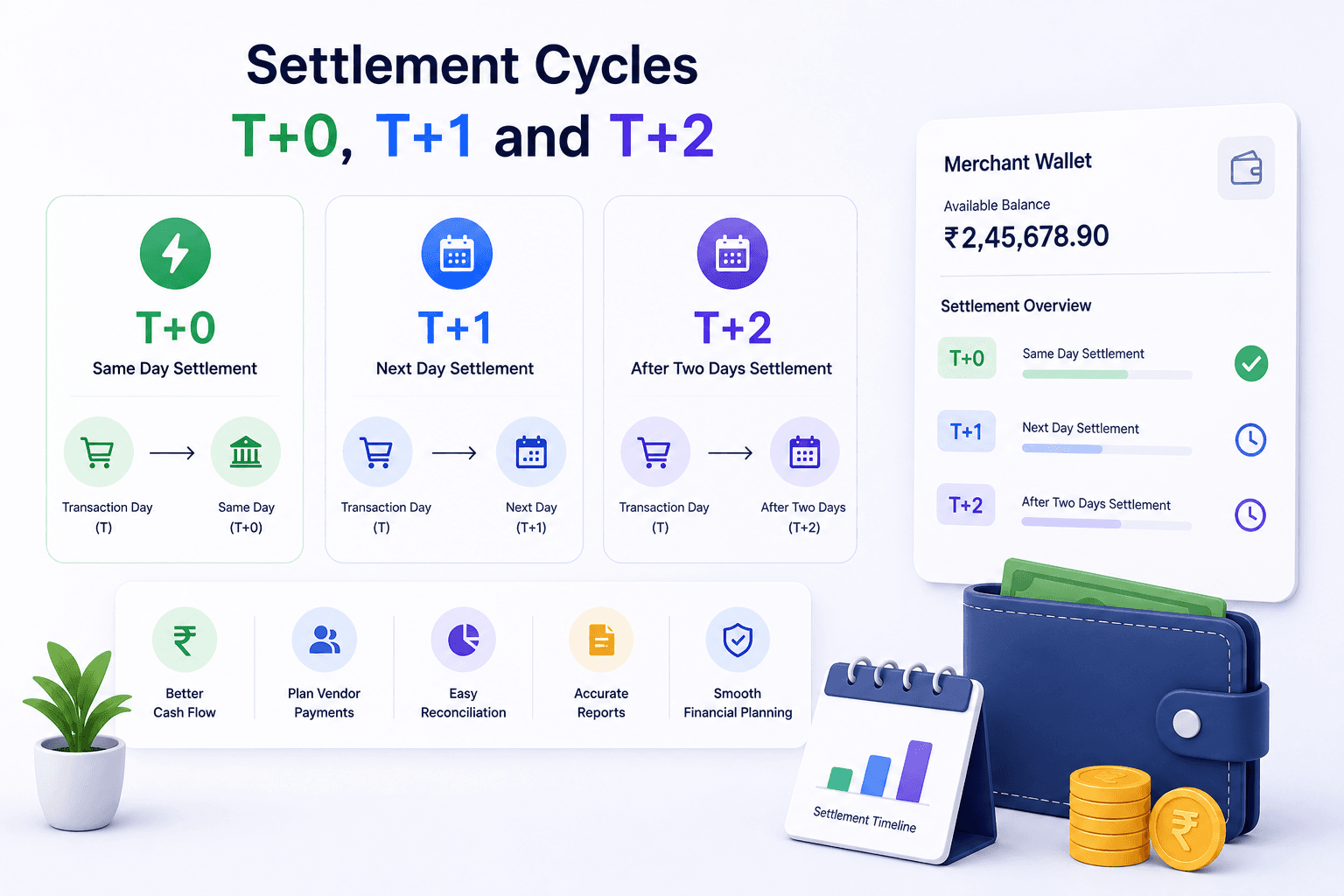
- Settlement amounts and settlement dates
- Refunds linked to original payments
- Payouts sent to vendors, sellers, users, or partners
- Charges, fees, taxes, and adjustments
Common Reconciliation Challenges
Manual reconciliation can become difficult when records are spread across dashboards, bank statements, spreadsheets, and internal systems. Teams may spend hours matching transaction IDs, order IDs, settlement dates, and refund entries.
Missing references, delayed settlements, failed payouts, and refund mismatches can make the process even harder.
How KoshaPay Helps
KoshaPay helps finance teams manage reconciliation with clearer transaction records, settlement visibility, refund tracking, payout reports, and dashboard-based search.
- Transaction reports: Review payins, payouts, refunds, and settlement movement.
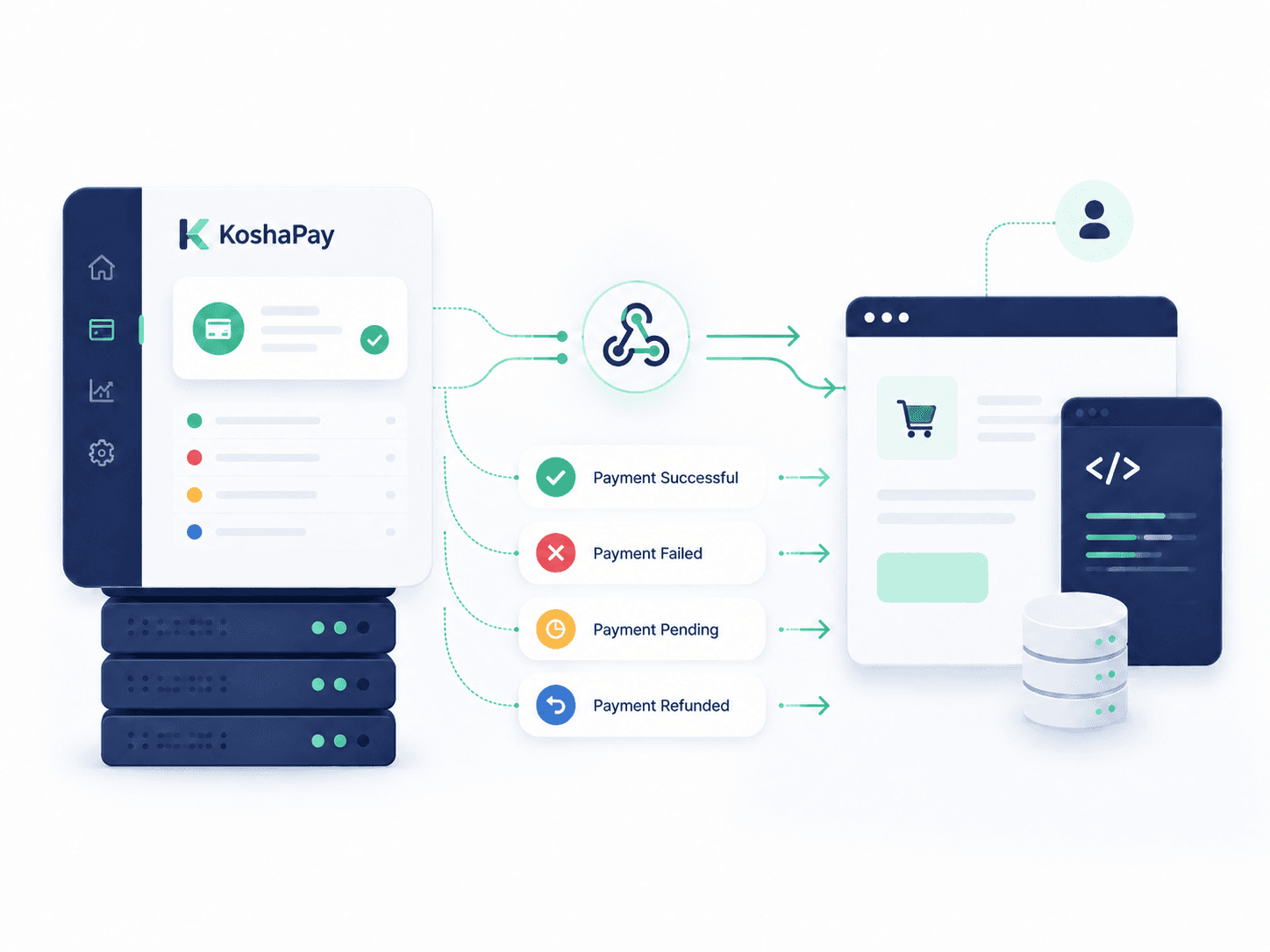
- Status visibility: Track successful, failed, pending, refunded, and settled transactions.
- Settlement tracking: Understand when collected money is settled.
- Linked records: Keep refunds and payouts connected with transaction references.
Best Practices
- Use unique order IDs and transaction IDs.
- Download transaction and settlement reports regularly.
- Track refunds against original payments.
- Review failed and pending transactions daily.
- Maintain payout records with beneficiary references.
Final Thoughts
Reconciliation gives finance teams confidence that every rupee is tracked correctly. With KoshaPay, businesses can reduce manual effort and manage payment records, settlements, refunds, and payouts with better clarity.