Security is one of the most important parts of any payment gateway. Every online payment involves customer data, transaction details, merchant information, and money movement. A secure payment system protects both the business and the customer.
For merchants, payment security is not only about preventing fraud. It is also about keeping APIs safe, verifying webhook updates, controlling dashboard access, and maintaining clean transaction records.
Why Payment Security Matters
- Protect customer trust: Customers expect their payment information and transaction status to be handled safely.
- Reduce fraud risk: Strong controls help prevent unauthorized payment activity.
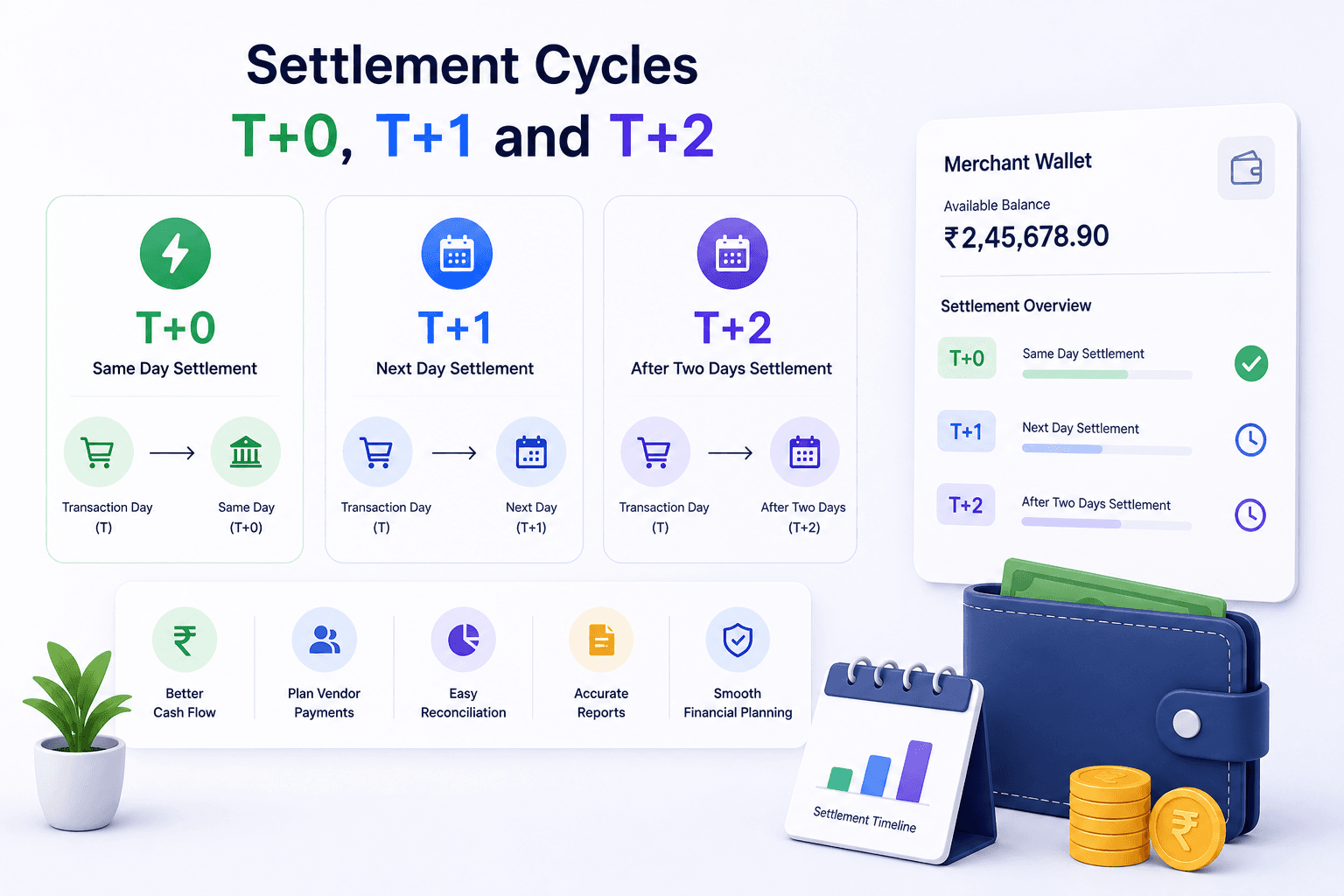
- Secure money movement: Payins, payouts, refunds, and settlements should be protected at every step.
- Improve operational control: Clear access rules help teams work safely without exposing sensitive actions.
Key Security Controls
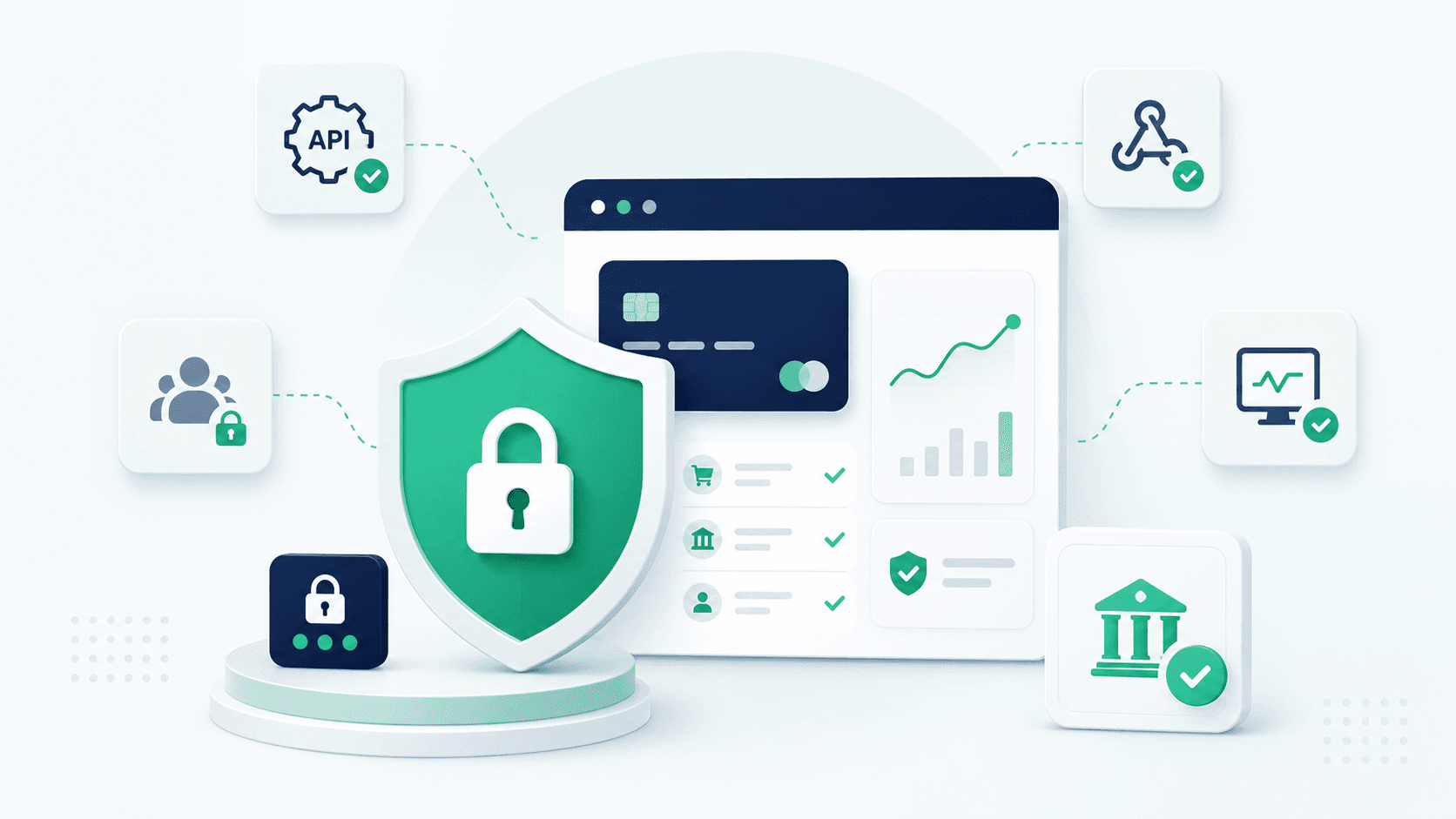
1. API Authentication
Every payment API request should be authenticated. API keys, tokens, or signatures help ensure that only authorized systems can create payment requests, check status, or initiate payouts.
2. Webhook Verification
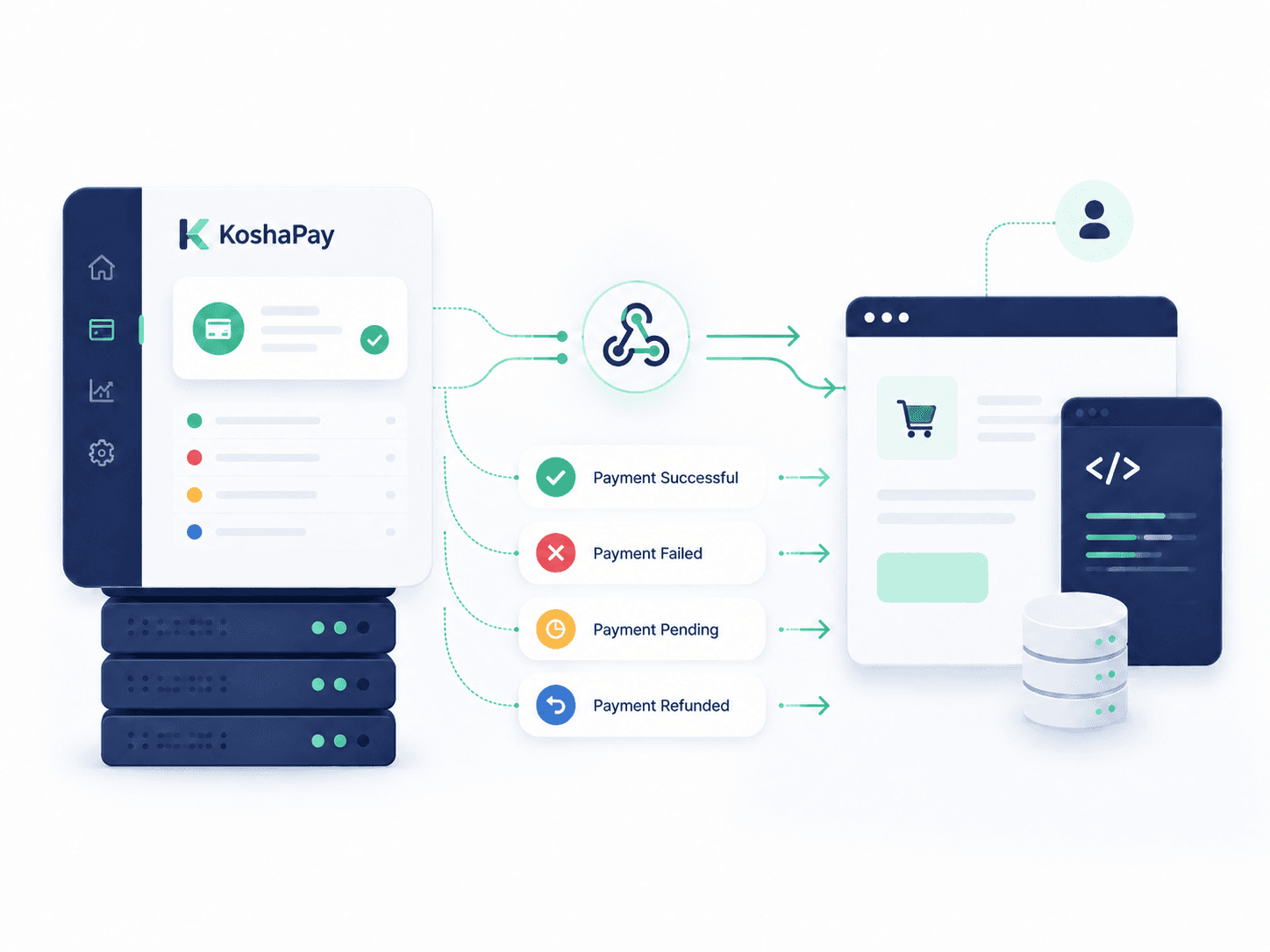
Webhooks update your system when payment status changes. Because these updates affect orders, refunds, and payouts, your backend should verify webhook authenticity before trusting the payload.
3. Role-Based Access
Not every team member should have access to every payment action. Role-based access helps separate responsibilities for operations, finance, support, and admin users.
4. Secure Transaction Tracking
Every transaction should have clear identifiers, timestamps, status history, and references. This helps teams investigate payment issues and maintain audit-ready records.
5. Safe Payout Controls
Payouts move money out of the business. Strong validation, approval flows, and status tracking help reduce mistakes and unauthorized fund movement.
Best Practices for Merchants
- Keep API keys private and never expose them in frontend code.
- Use HTTPS for all payment and webhook endpoints.
- Verify webhook signatures before updating transaction status.
- Limit dashboard access based on user responsibility.
- Monitor failed, suspicious, or repeated transaction activity.
- Store request and response logs safely for debugging and audits.
How KoshaPay Helps
KoshaPay is built with security-focused payment operations in mind. It helps merchants manage secure payins, payouts, webhook updates, transaction tracking, refunds, and settlements with better visibility and control.
- Secure APIs: Help protect payment creation, status checks, and payout actions.
- Webhook validation: Support safer system updates for payment events.
- Transaction visibility: Track payment status, timestamps, and movement clearly.
- Controlled operations: Support safer workflows for finance, support, and operations teams.
Final Thoughts
Security should be part of every payment flow, not an afterthought. With the right controls, businesses can protect customers, reduce risk, and manage payment operations more confidently.
A secure payment gateway gives merchants the foundation to collect payments, send payouts, manage refunds, and track settlements with trust and control.